Most firms take briefs. We start with constraints.
When we step into an engagement, it’s rarely because something “needs a refresh.” It’s because growth is straining systems. Knowledge is concentrated in one person. Data is trapped in legacy environments. Marketing isn’t translating into measurable pipeline. The problem isn’t aesthetic — it’s structural.
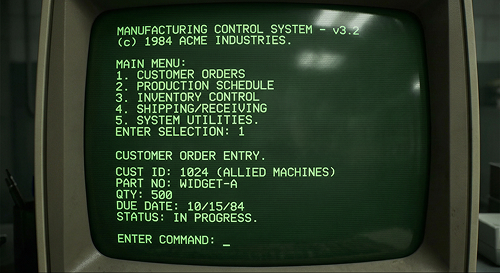
We solve operational constraints before we design interfaces. That means understanding where workflows break down, where risk is accumulating, and where scale is artificially capped. Sometimes that’s a 40-year-old backend system. Sometimes it’s a fragile SaaS architecture. Sometimes it’s a B2B website that generates traffic but not revenue.
Modernization, for us, is not a rewrite for the sake of new technology. It’s controlled evolution. We preserve business logic, stabilize what’s fragile, migrate what’s risky, and rebuild what limits growth. The outcome isn’t just “new software” — it’s operational durability.
And when we apply AI, it’s not because it’s trendy. It’s because it compounds leverage. RAG systems that unlock institutional knowledge. Agentic workflows that automate decision paths. Intelligence layers that reduce manual overhead. AI is integrated where it materially improves throughput, insight, or revenue — not where it creates complexity.
The result is systems that hold up under real-world pressure — operationally, technically, and commercially.
Applied AI - RAG, Agentic Workflows, Applied AI Layers
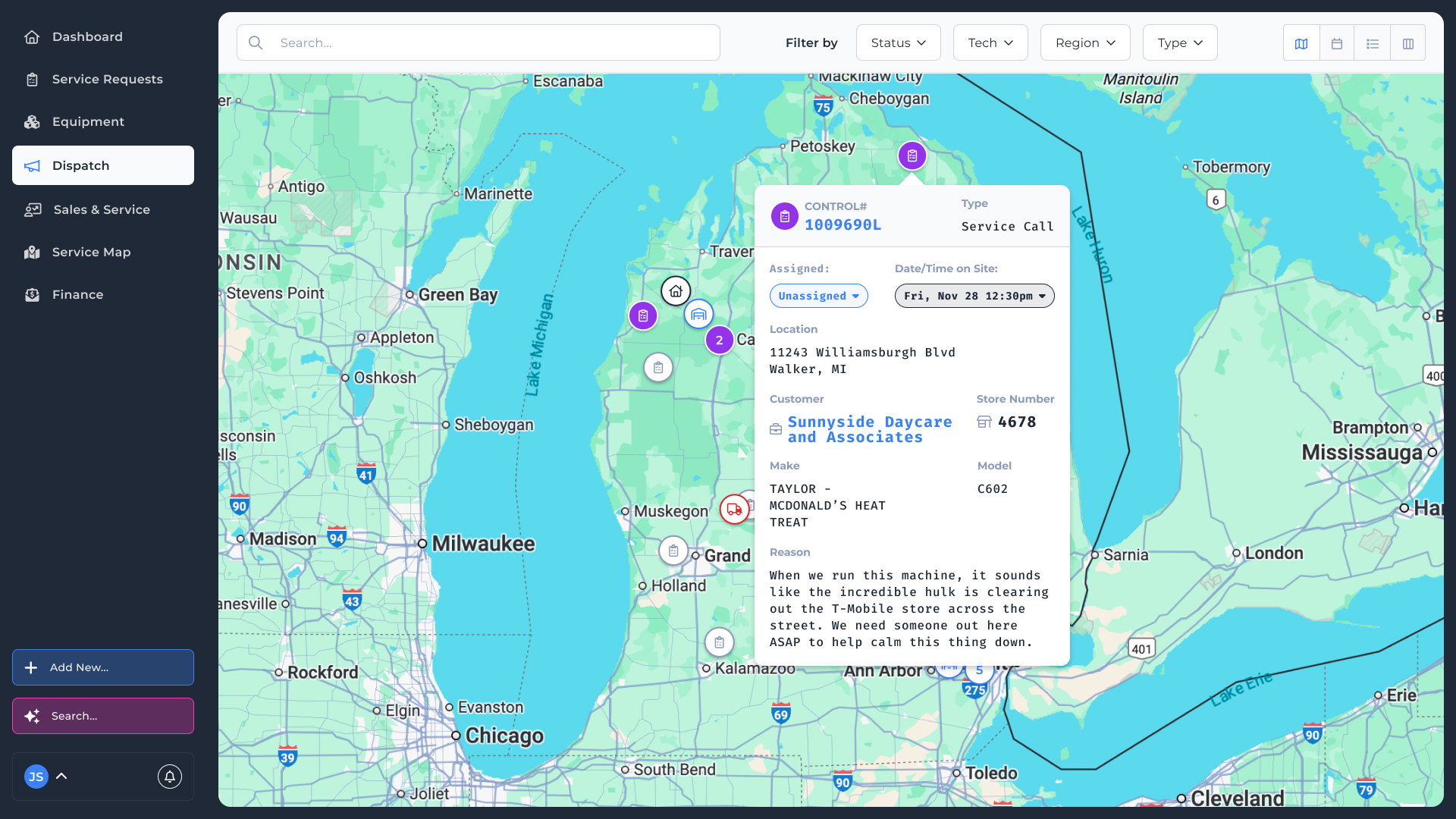
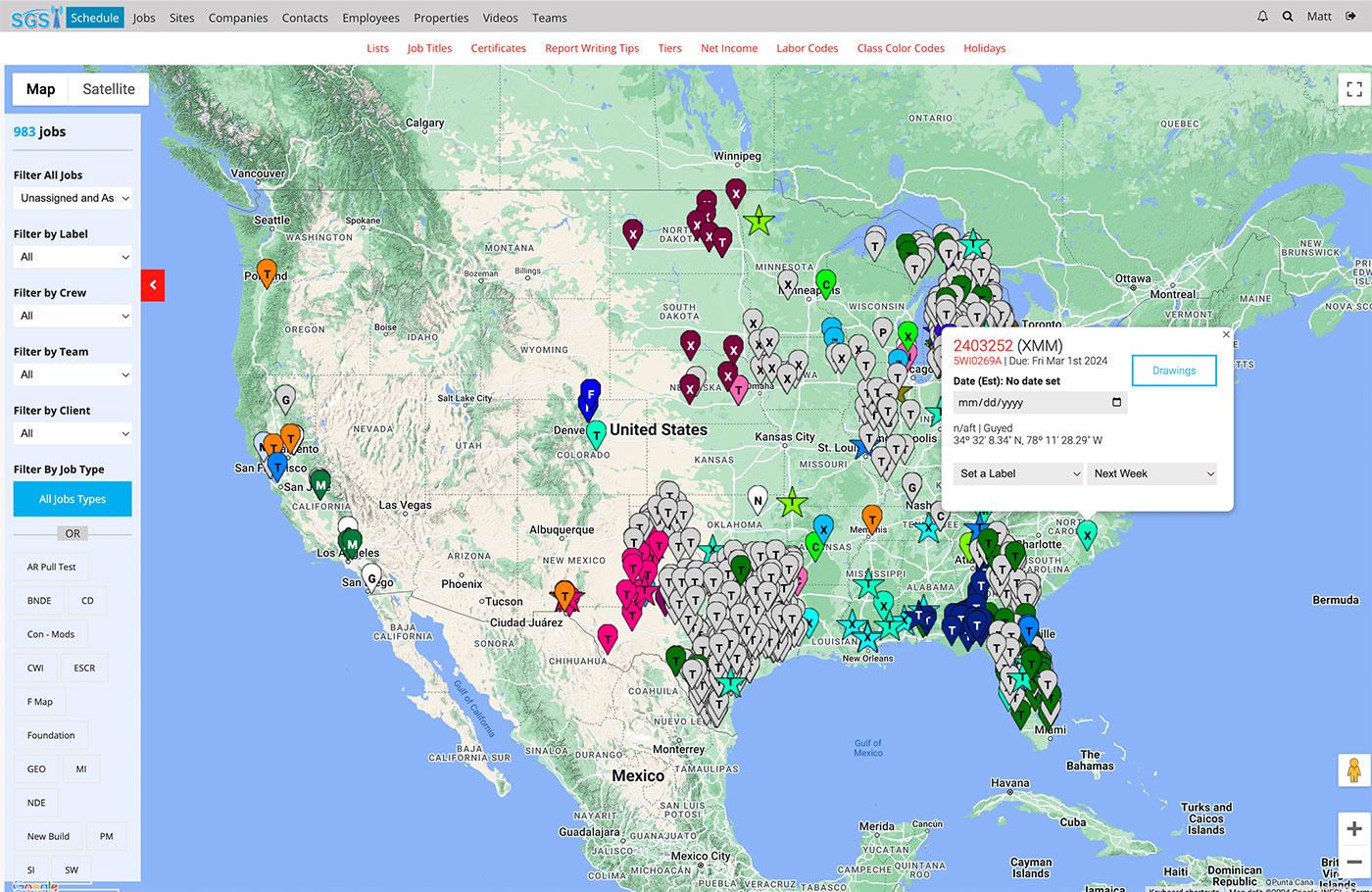
Intelligent Operations - Automating Workflows, Unlocking Trapped Data
Product Engineering - Building Production-Grade Applications
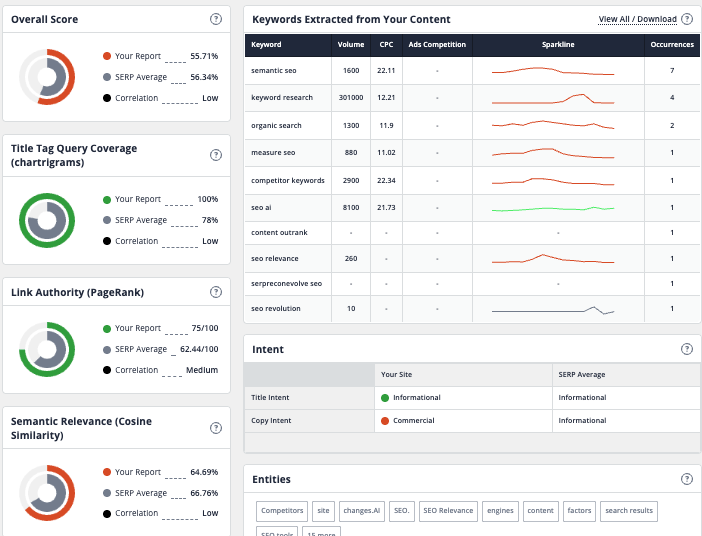
Growth Systems - Revenue-engineered B2B website Development, CRM Integrations, Analytics/Tracking